
cOMMERCIAL SOLAR FOR Warehousing and Logistics Sites
Commercial solar can help warehouses, distribution centres and logistics operators reduce electricity costs, generate renewable electricity on-site and plan for future energy demand.
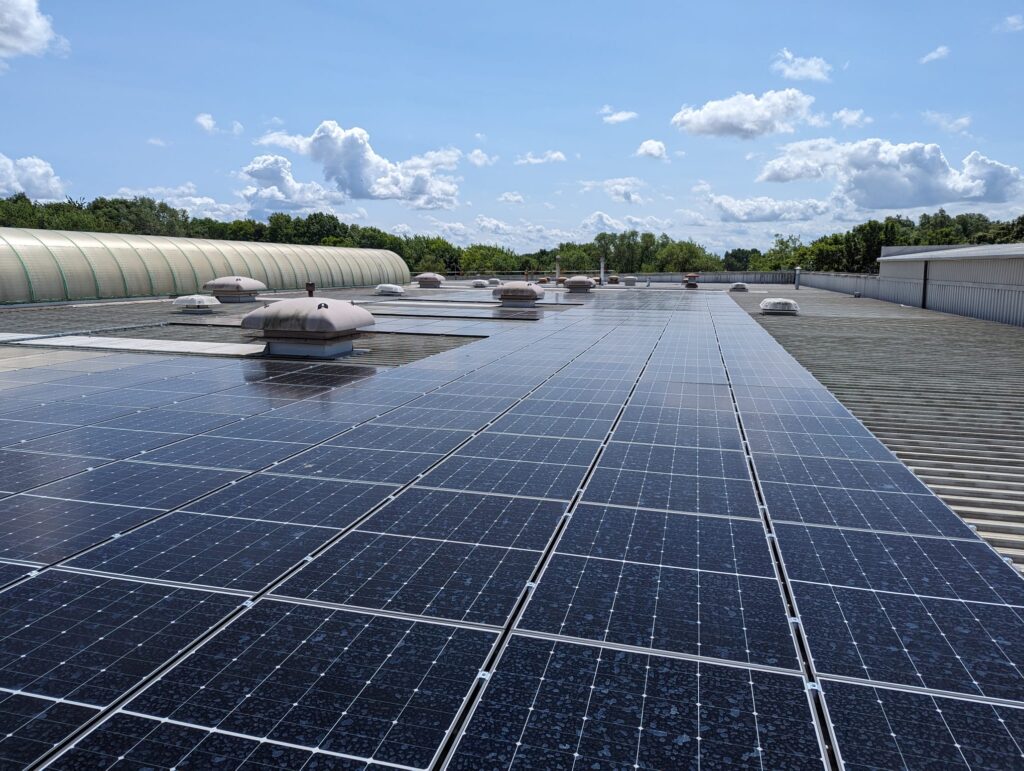
Reduce Energy Costs
Generate electricity on-site to help reduce reliance on grid electricity and manage long-term operating costs across warehouses and distribution facilities.
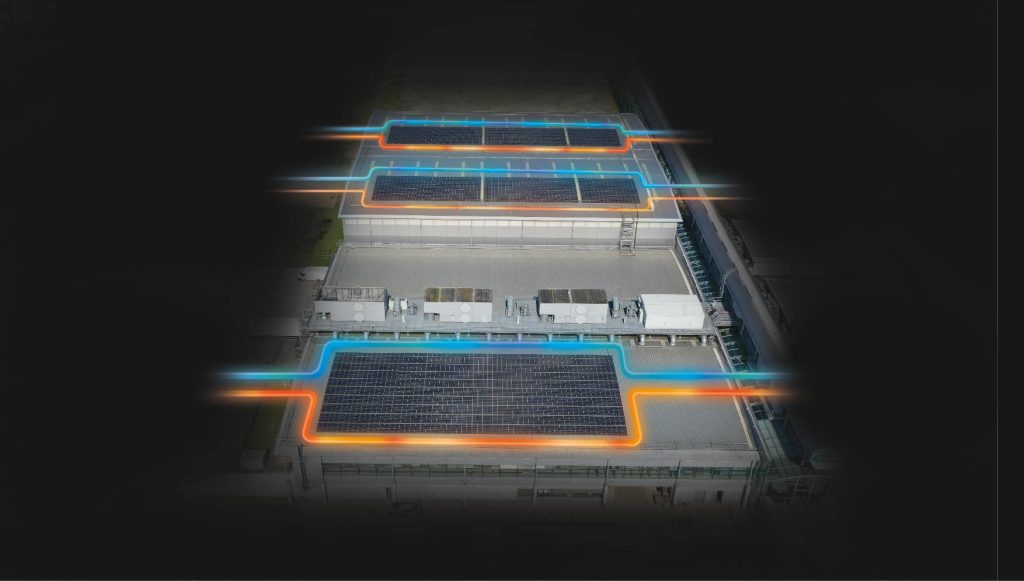
Make Use of Existing Site Space
Utilise large warehouse roofs, suitable land and fleet parking areas to explore opportunities for commercial rooftop solar, ground-mounted solar and solar carports.

Plan for Future Energy Demand
Consider future requirements such as electric delivery vehicles, fleet charging, warehouse automation and material-handling equipment when assessing your solar investment.
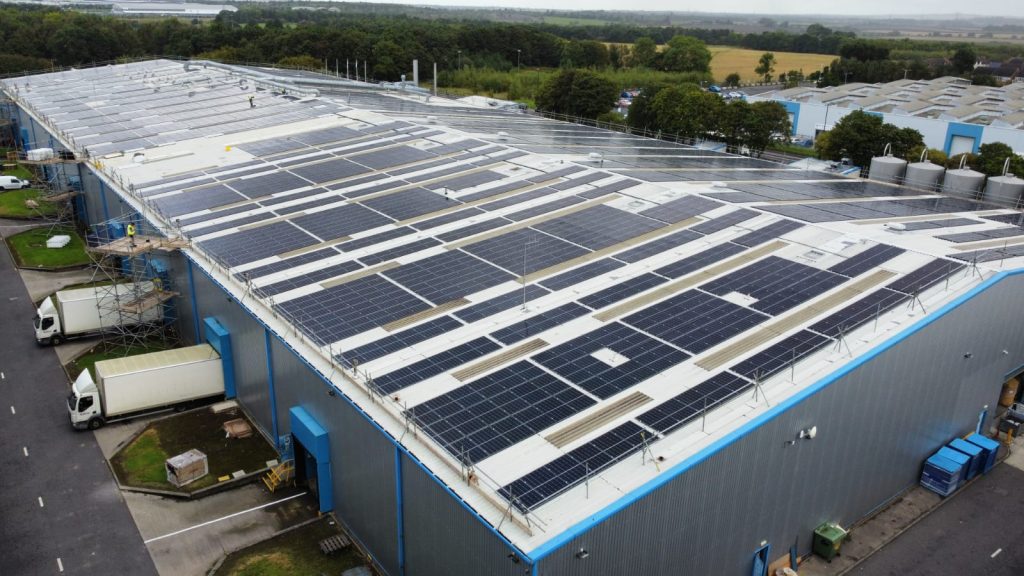
Commercial Solar for Warehousing and Logistics
Warehousing and logistics facilities can offer significant opportunities for commercial solar. Large distribution centres, fulfilment warehouses, transport depots and storage facilities often have extensive roof areas and substantial electricity requirements.
However, the energy profile of each site can vary. A temperature-controlled warehouse may have significant refrigeration demand, while a fulfilment centre may use considerable electricity for lighting, conveyors, automated handling systems and operational equipment. Logistics operators may also be planning for electric vehicle fleets and additional charging infrastructure.
For these businesses, commercial solar should be assessed around the way the site operates. System design needs to consider available roof space, electricity consumption, operational schedules, grid capacity and future demand to establish the most appropriate technical and financial solution.
Depending on the site, opportunities may include commercial rooftop solar, solar carports over fleet parking areas or ground-mounted solar where suitable land is available.
The Energy Challenge for Warehousing and Logistics Businesses
Energy is an important operational cost for warehouse and logistics businesses, particularly those running large facilities, automated distribution systems or temperature-controlled storage.
Electricity is used across warehouse lighting, conveyor systems, refrigeration, ventilation, IT infrastructure and material-handling equipment. For sites operating extended hours or around the clock, these requirements can create substantial electricity demand.
At the same time, logistics operators are assessing how to reduce operational emissions and prepare for changes to their vehicle fleets. The introduction of electric vans, HGVs and other fleet vehicles may increase demand for electricity and require additional charging infrastructure.
This makes it important to consider both current electricity consumption and anticipated future requirements when planning a commercial solar installation.
An engineering-led feasibility assessment can help establish how much electricity a site could generate, how much could be used on-site and whether the proposed system aligns with the business’s operational and financial objectives.
The Cost of Doing Nothing
Continuing to purchase electricity from the grid means a business may miss opportunities to generate a proportion of its electricity on-site.
For warehouse and logistics operators with suitable roof space and consistent electricity demand, commercial solar can provide an opportunity to reduce exposure to grid electricity costs. The potential benefit depends on the site’s consumption profile, solar generation, electricity tariffs and the proportion of generated electricity used directly.
There are also longer-term considerations. Businesses investing in warehouse automation, refrigeration or fleet electrification may need to plan for increasing electricity demand and infrastructure requirements.
Energy Gain UK can assess the financial case for solar using actual electricity consumption data and site information. This helps businesses compare the proposed investment with projected savings and consider the potential implications of continuing to purchase electricity from the grid.
Solar Solutions for Warehousing and Logistics Sites
Rooftop Solar
Make use of available commercial and industrial roof space.
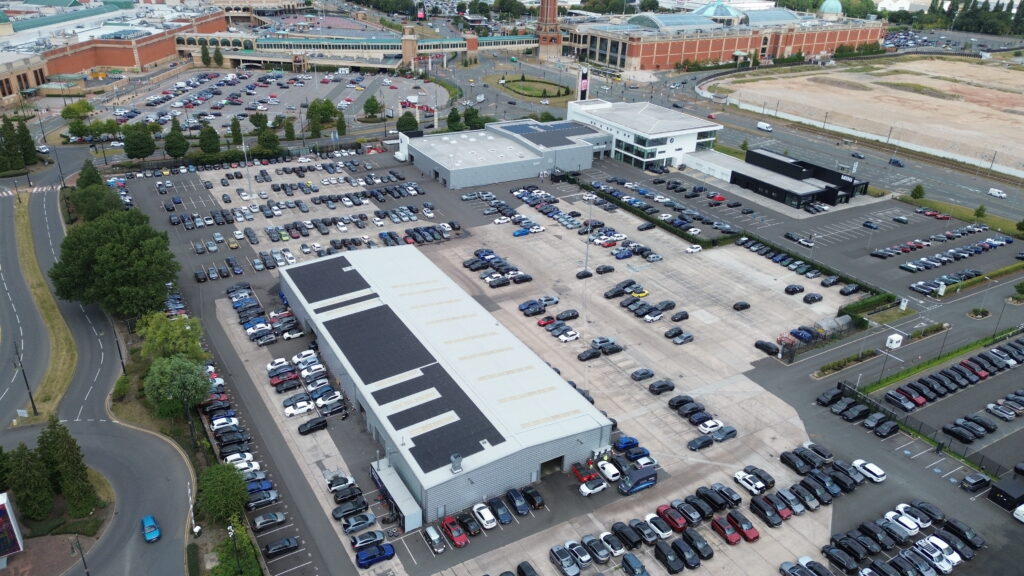
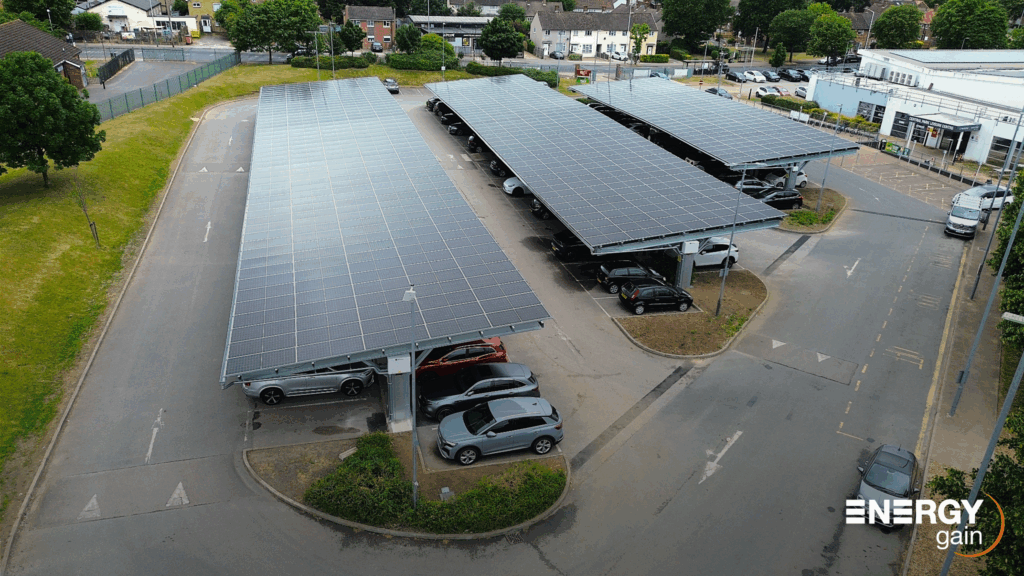
Solar Carports
Turn existing parking areas into solar generation space.
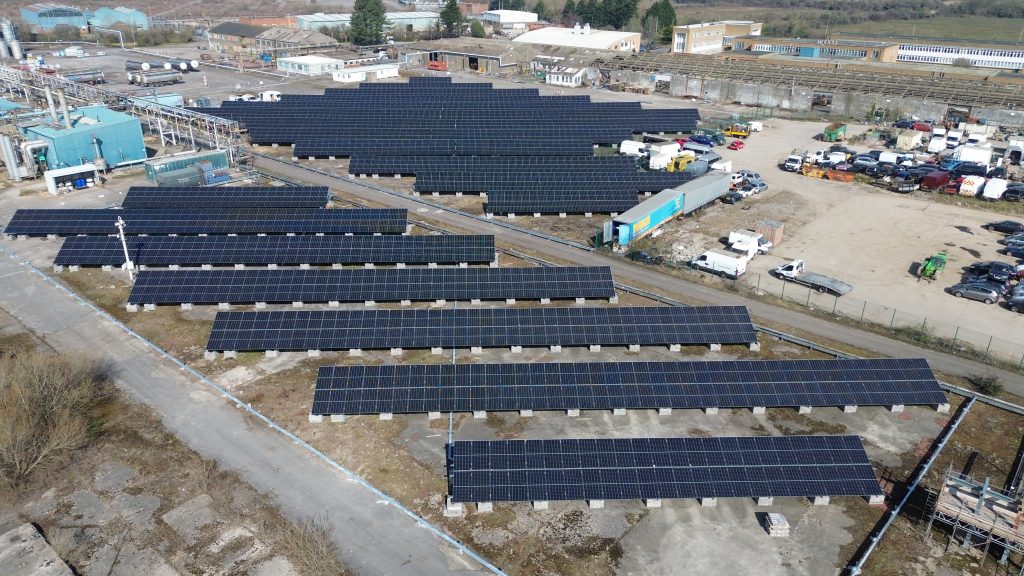
Ground-Mounted Solar
Utilise suitable land where additional generation is required.
solar calculators
Use our solar calculators to estimate potential savings

Solar for Distribution Centres and Temperature-Controlled Warehouses
Different warehouse operations have different energy requirements, which should influence the proposed solar system design.
Distribution centres and fulfilment warehouses
Large roof areas and electricity demand from lighting, conveyors and automated handling equipment may create opportunities for rooftop solar. The business case depends on the available roof area, structural capacity and electricity consumption profile.
Cold storage and temperature-controlled facilities
Refrigeration can represent a significant part of a site’s electricity demand. Solar feasibility should consider the facility’s operating patterns, refrigeration loads and the relationship between electricity consumption and expected solar generation.
Transport depots and logistics fleet operators
Businesses operating delivery vehicles or commercial fleets may benefit from considering solar alongside future electrification plans. Solar carports may provide an additional generation opportunity where suitable parking areas are available, while charging infrastructure and electrical capacity must be assessed as part of the wider site requirements.
Multi-site warehouse operators
Businesses operating across several locations may benefit from assessing sites individually and prioritising those with the strongest combination of electricity demand, available space, technical suitability and financial potential.
Financial Modelling Should Reflect the Real Site
The financial case for commercial solar should be based on the individual warehouse or logistics facility rather than a generic estimate based on roof size alone.
Energy Gain UK’s feasibility assessment can consider:
Historic electricity consumption and current tariffs.
Half-hourly electricity usage data, where available.
Available roof area, structural requirements and roof condition.
Expected solar generation and self-consumption.
Potential electricity savings and export assumptions.
Future electricity demand, including EV charging.
Installation costs, maintenance assumptions and long-term cash flow.
Grid connection requirements and available capacity.
This helps establish whether the proposed installation is technically suitable and financially worthwhile for the business.
For a Finance Director, Operations Director or Facilities Manager, the key question is how the investment could affect operating costs and long-term financial performance while accommodating the site’s operational requirements.
Our Commercial Solar Panel Projects
Which Solar Solution Is Right for Your Warehouse or Logistics Facility?
The most suitable solution depends on the building, the way the site operates and its future energy requirements.
| Site requirement | Potential solar solution |
|---|---|
| Large, structurally suitable warehouse roof | Commercial rooftop solar |
| Suitable fleet parking or employee car park | Solar carports |
| Available land with appropriate planning and grid conditions | Ground-mounted solar |
| High electricity demand from refrigeration or automation | Solar designed around the site’s consumption profile |
| Planned fleet electrification | Solar assessed alongside future charging demand |
These options are not mutually exclusive. Where appropriate, more than one solution may be assessed as part of a wider site energy strategy.
How Energy Gain UK Approaches Commercial Solar
Energy Gain UK delivers commercial solar projects through an engineering-led process, from initial feasibility and system design through to installation, commissioning and ongoing maintenance.
1. Energy Consultation and Feasibility Study
The process begins with an assessment of the site’s electricity consumption, operating patterns, available roof or land area and future energy requirements.
Energy Gain UK’s free, detailed desktop feasibility study can consider half-hourly consumption data, existing electrical infrastructure, grid requirements and potential solar generation.
2. System Design and Financial Modelling
The proposed system is developed around the facility’s technical requirements. This includes assessing structural suitability, roof condition, available space, self-consumption, export and electrical infrastructure.
Financial modelling then considers the investment, projected electricity savings and longer-term cash flow.
3. Professional Installation
Energy Gain UK manages project delivery from procurement through to construction and commissioning. Installation planning considers site safety, operational requirements and the need to minimise disruption to warehouse and logistics activities.
4. Monitoring and Maintenance
Following installation, system performance can be monitored to track generation and identify potential issues requiring investigation. Ongoing maintenance helps support system performance and protect the long-term value of the investment.
What We Assess
Before recommending a solar system, Energy Gain considers the technical requirements of the site, including:
- Electricity consumption and operating patterns
- Roof construction and structural capacity
- Available roof or land
- Existing electrical infrastructure
- EV charging requirements
- Future electricity demand
- DNO and grid capacity
- Planning and site constraints
This ensures the proposed system is based on the requirements of the business rather than a standard system size.
The process begins with an assessment of your site’s energy use, available space and future requirements.
Energy Gain’s detailed desktop feasibility study can assess your electricity consumption, half-hourly usage data, roof or land availability, existing electrical infrastructure, grid requirements and potential future demand such as EV charging.
This helps establish whether solar is suitable for the site and identifies the most appropriate solution before progressing to detailed design.

Energy Gain develops a system designed around the site’s specific requirements.
The design considers factors including available roof space, structural requirements, solar generation, self-consumption, export and electrical infrastructure. Detailed financial modelling then assesses the expected investment, savings, payback and long-term returns.
Different system sizes and investment options can be modelled to identify the solution that provides the strongest technical and financial outcome for the business.

Energy Gain manages the delivery of the project from procurement through to construction and commissioning.
Our experienced installation teams work around the operational requirements of the site, with project planning focused on maintaining safety, minimising disruption and delivering the system to the agreed specification.
Once installation is complete, the system is commissioned and handed over with the relevant documentation and performance information

Solar performance doesn’t stop being important once the system is installed.
Energy Gain can monitor system performance to identify potential issues and ensure the installation continues to operate as expected. Performance data can be used to track generation and identify changes that may require investigation or maintenance.
Ongoing maintenance helps protect system performance and maximise the long-term value of the investment

Calculate Your Commercial Solar Opportunity
Use our calculators to explore the potential financial opportunity:
These tools provide an initial indication. A detailed feasibility assessment can use your site’s actual electricity consumption and technical information to develop a more informed view of the opportunity.
Explore Commercial Solar for Your Warehouse or Logistics Facility
Energy Gain UK provides an engineering-led approach to commercial solar, helping warehouse operators, distribution centres and logistics businesses assess their sites and identify suitable solutions.
Our free, detailed desktop feasibility study includes a 25-year cash-flow analysis to help assess potential electricity savings, investment requirements and long-term financial returns.
Considering solar for your warehouse, distribution centre or logistics depot?
Request a free commercial solar feasibility study to discuss your site’s requirements and explore the potential for on-site electricity generation.
Email: info@energygain.co.uk